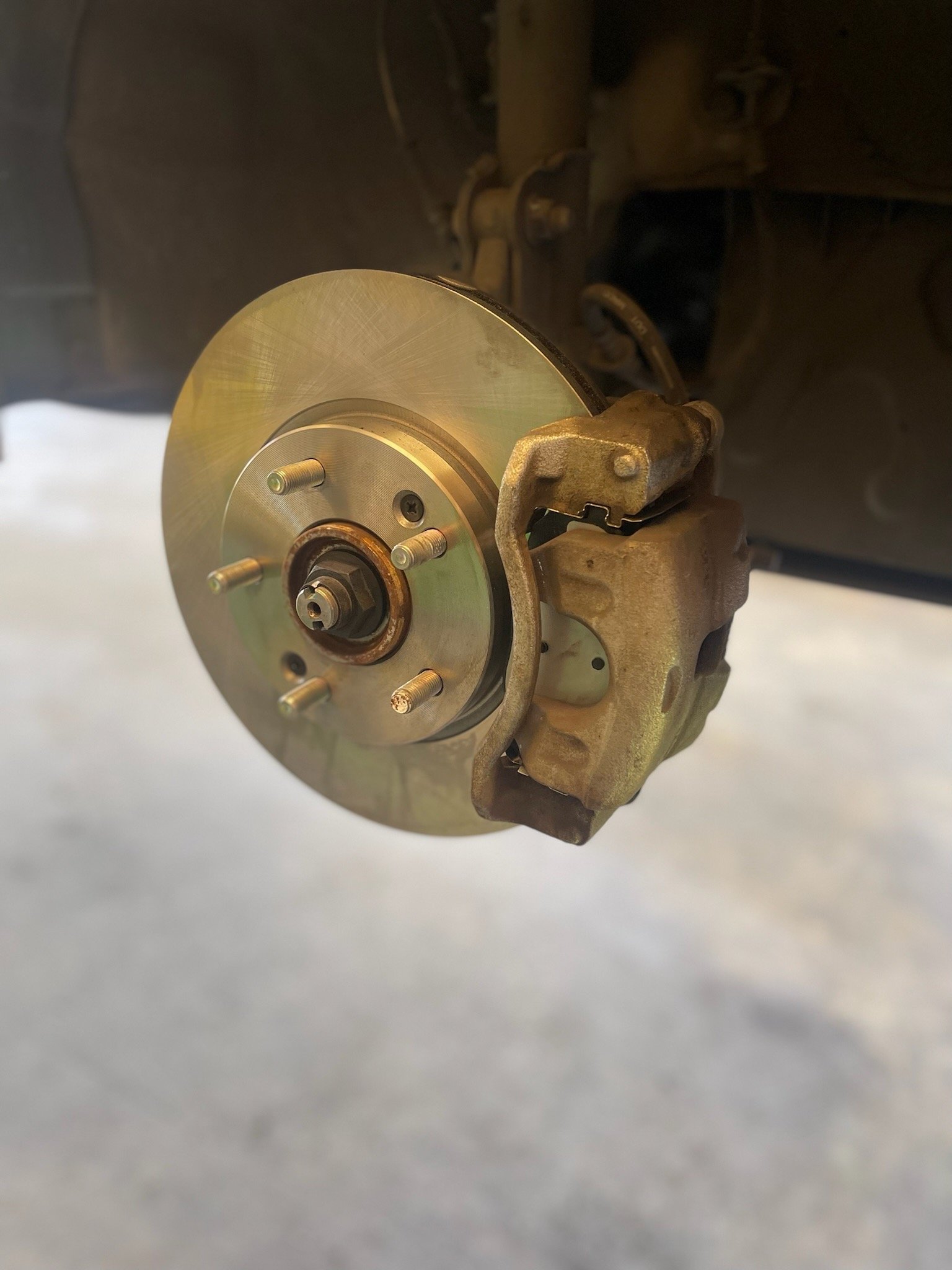
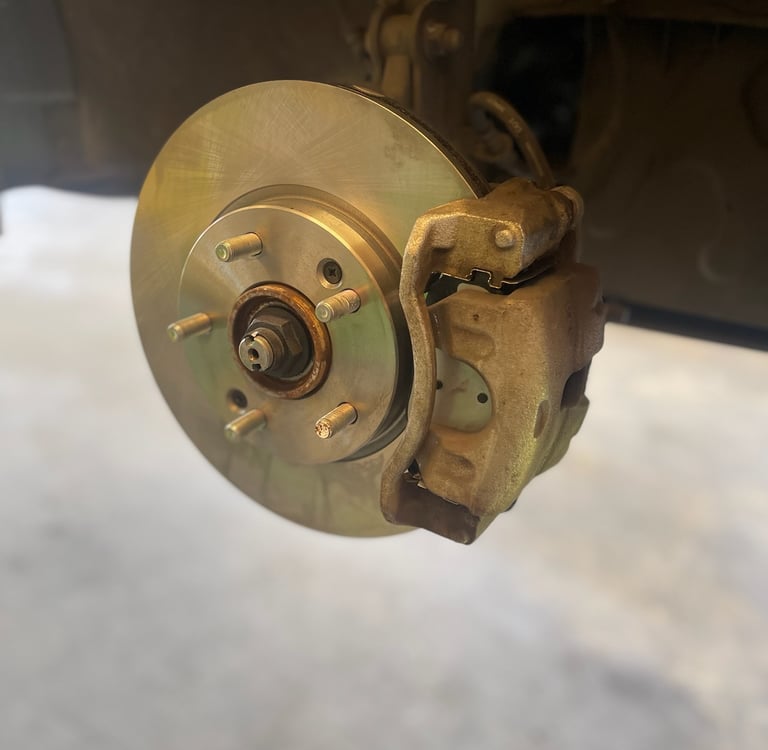
Don't Risk the Stop: Why Brake Maintenance is Non-Negotiable
Maintaining your vehicle's brakes is the single most critical safety task you can perform to prevent road accidents. Every time you push the pedal, a complex hydraulic system converts moving kinetic energy into intense friction heat. Over time, this extreme heat naturally wears away your brake pads and thins out your rotors. Neglecting this wear does not just cause a noisy drive; it directly risks your life and the lives of others on the road. The Cost of Neglect vs. Proactive Care Waiting for your brakes to completely fail is a dangerous and expensive gamble. Staying ahead of the wear saves both your wallet and your peace of mind. Shorter Stopping Distances: Fresh pads and clean fluid ensure your car reacts instantly in emergency situations. Preventive Savings: Replacing thin brake pads is relatively inexpensive. If you wait until they grind, you will destroy the expensive metal rotors and calipers, spiking your repair bills. Component Longevity: Healthy brakes reduce stress on your tires and suspension system. Five Red Flags You Shouldn't Ignore Your car will usually tell you when it needs professional attention. Watch out for these common warning signs: Squealing or Grinding: High-pitched squeals mean the built-in wear indicator is hitting the rotor. Harsh grinding means the pad is entirely gone, and metal is chewing into metal. Spongy Pedal: If the pedal feels soft or sinks to the floorboard, you likely have air leaks or moisture in your hydraulic brake fluid lines. Steering Wheel Vibration: Shaking during braking indicates that your rotors are warped from overheating and can no longer grip smoothly. Vehicle Pulling: If the car yanks to one side when slowing down, a caliper might be stuck, or a brake hose could be failing. Dashboard Light: Never ignore the illuminated brake warning icon. It often signals dangerously low fluid levels.